Supporting the Physiatrist, Strengthening the Specialty

AAPM&R is working to ensure PM&R is positioned to thrive in the future of healthcare and that you’re prepared for wherever your career takes you. Our more than 10,000 Academy members support each other in advancing PM&R’s impact through healthcare. As we move forward, it is more important than ever that every member play an active role in helping one another realize the vision for our specialty.

Newsroom

Looking for AAPM&R members in the news? Press releases? Our Academy Action Center? Or looking to submit your members in the news content? You'll find it all in our Newsroom. You will also be able to explore PM&R and Academy news as well as learn how to contact us if you would like to submit your member content, or if you are a reporter who is interested in speaking with a PM&R physician.

Event Calendar and Webinars

Stay up to date on all Academy events and learning opportunities and view recordings of past webinars. 

PM&R Aspire

PM&R Aspire is our career-exploration platform purpose-built to help PM&R professionals make better-informed career decisions. We have mapped employer locations across the United States, enabling you to explore, message and apply to the roles that matter most to you.

PM&R Q&A Video Conversations

AAPM&R is leading the advancement of physiatry’s impact throughout healthcare as aligned with YOUR vision for the specialty. Explore our Q&A video series where members of our Physiatrist in Training (PHiT) Council Board chat with AAPM&R Board leaders.

Latest News

AAPM&R President, Greg Worsowicz, MD Testifies at Hearing on Incentivizing Quality Outcomes in Medicare Part A

Sep 7, 2016, 16:14 by User Not Found

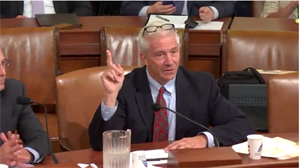
WorsowiczOn Wednesday, September 7, AAPM&R President, Greg Worsowicz, MD testified at the U.S. House of Representatives Ways and Means Committee's Health Subcommittee hearing on Incentivizing Quality Outcomes in Medicare Part A. His testimony placed an emphasis on improving the quality and efficiency of patient care through payment reform measures and value-based purchasing in the post-acute care (PAC) sector. 

Read his full statement and watch the hearing

Learn more about how AAPM&R is working to advance and protect the specialty.


Below is the statement released by the Ways and Means Health Subcommittee:

Today, the Ways and Means Health Subcommittee, chaired by Rep. Pat Tiberi (R-OH), held a hearing to examine whether existing Medicare Part A policies are improving the quality and cost-efficiency of care in hospitals. Specifically, Members heard from physicians, researchers, and administrators about opportunities to improve post-acute care settings—such as home health agencies, long-term care hospitals, or skilled nursing facilities—to deliver better outcomes for patients.

As Chairman Tiberi said at the start of the hearing:

“We are all here for the same reason today: to explore ways to better improve the quality of care for Medicare patients.” 

Building off of Congress’ successful effort to modernize the way Medicare pays physicians, Ways and Means Committee Chairman Kevin Brady (R-TX) added:

“Today’s hearing is a valuable opportunity to examine how existing Medicare policies are incentivizing hospitals and post-hospitalization providers to deliver high-quality, cost-efficient care … 

Physician payment policies are just one piece of the puzzle. To ensure the Medicare program is truly delivering the high-quality care seniors deserve, we also need to improve the way it pays post-acute, or after hospitalization providers.” 

As the Ways and Means Committee takes steps to improve the Medicare Part A program, Members on both sides of the aisle asked witnesses what recommendations they have for incentivizing higher-quality care in post-acute settings so patients receive the treatment they need at a cost they can afford.

As Steve Guenthner, president of a post-acute care provider known as Almost Family, said:

“Value-based purchasing is the natural next step in the evolution of patient-centric Medicare policy, especially when it rewards providers for patient-focused outcomes, balanced against the cost incurred to achieve those outcomes … We need to change the policy question from ‘how should we pay providers’ to ‘how we should care for patients.’” 

Looking at past reforms to incentivize quality in Medicare, such as with the IMPACT Act, Dr. Barbara Gage from George Washington University, explained:

Tying [Medicare] payments to minimum quality thresholds to ensure that services are appropriate and cost effective is key to effectively redesigning the Medicare program in a way that ensures beneficiaries have access to the appropriate services they need.” 

Elisabeth Wynn, who oversees health economics and finance at the Greater New York Hospital Association, added:

“We strongly encourage you to adopt reforms that consolidate the hospital [pay-for-performance] programs similar to the approach adopted for physicians to streamline the programs, balance the incentives, and improve the fairness.”

Dr. Gregory Worsowicz, who is chairman of the board for the American Academy of Physical Medicine and Rehabilitation, agreed:

“I would ask you, whatever programs we put in place, we coordinate them … we don’t suboptimize what we are doing and restrict [doctors] with so many regulatory issues [they’re] hamstrung on what [they] can do or chasing incentives that may not align with others.” 

These are the types of important reforms Chairman Brady and Rep. Ron Kind (D-WI) are working to advance through their bill, the Medicare Post-Acute Care Value-Based Purchasing Act of 2015. As the Chairman explained:

“By providing the right incentives, this legislation will bring increased competition and innovation to Medicare while lowering costs to the program. At the same time, the bill will raise the bar for patient care nationwide. It rewards providers who set themselves apart in delivering excellent care to Medicare patients.” 

In the weeks ahead, Ways and Means Members will explore ideas, such as those introduced by Chairman Brady and Rep. Kind, to reward quality, innovation, and excellence in health care within post-acute care services.

AAPM&R President, Greg Worsowicz, MD Testifies at Hearing on Incentivizing Quality Outcomes in Medicare Part A

Sep 7, 2016, 16:14 by User Not Found

WorsowiczOn Wednesday, September 7, AAPM&R President, Greg Worsowicz, MD testified at the U.S. House of Representatives Ways and Means Committee's Health Subcommittee hearing on Incentivizing Quality Outcomes in Medicare Part A. His testimony placed an emphasis on improving the quality and efficiency of patient care through payment reform measures and value-based purchasing in the post-acute care (PAC) sector. 

Read his full statement and watch the hearing

Learn more about how AAPM&R is working to advance and protect the specialty.


Below is the statement released by the Ways and Means Health Subcommittee:

Today, the Ways and Means Health Subcommittee, chaired by Rep. Pat Tiberi (R-OH), held a hearing to examine whether existing Medicare Part A policies are improving the quality and cost-efficiency of care in hospitals. Specifically, Members heard from physicians, researchers, and administrators about opportunities to improve post-acute care settings—such as home health agencies, long-term care hospitals, or skilled nursing facilities—to deliver better outcomes for patients.

As Chairman Tiberi said at the start of the hearing:

“We are all here for the same reason today: to explore ways to better improve the quality of care for Medicare patients.” 

Building off of Congress’ successful effort to modernize the way Medicare pays physicians, Ways and Means Committee Chairman Kevin Brady (R-TX) added:

“Today’s hearing is a valuable opportunity to examine how existing Medicare policies are incentivizing hospitals and post-hospitalization providers to deliver high-quality, cost-efficient care … 

Physician payment policies are just one piece of the puzzle. To ensure the Medicare program is truly delivering the high-quality care seniors deserve, we also need to improve the way it pays post-acute, or after hospitalization providers.” 

As the Ways and Means Committee takes steps to improve the Medicare Part A program, Members on both sides of the aisle asked witnesses what recommendations they have for incentivizing higher-quality care in post-acute settings so patients receive the treatment they need at a cost they can afford.

As Steve Guenthner, president of a post-acute care provider known as Almost Family, said:

“Value-based purchasing is the natural next step in the evolution of patient-centric Medicare policy, especially when it rewards providers for patient-focused outcomes, balanced against the cost incurred to achieve those outcomes … We need to change the policy question from ‘how should we pay providers’ to ‘how we should care for patients.’” 

Looking at past reforms to incentivize quality in Medicare, such as with the IMPACT Act, Dr. Barbara Gage from George Washington University, explained:

Tying [Medicare] payments to minimum quality thresholds to ensure that services are appropriate and cost effective is key to effectively redesigning the Medicare program in a way that ensures beneficiaries have access to the appropriate services they need.” 

Elisabeth Wynn, who oversees health economics and finance at the Greater New York Hospital Association, added:

“We strongly encourage you to adopt reforms that consolidate the hospital [pay-for-performance] programs similar to the approach adopted for physicians to streamline the programs, balance the incentives, and improve the fairness.”

Dr. Gregory Worsowicz, who is chairman of the board for the American Academy of Physical Medicine and Rehabilitation, agreed:

“I would ask you, whatever programs we put in place, we coordinate them … we don’t suboptimize what we are doing and restrict [doctors] with so many regulatory issues [they’re] hamstrung on what [they] can do or chasing incentives that may not align with others.” 

These are the types of important reforms Chairman Brady and Rep. Ron Kind (D-WI) are working to advance through their bill, the Medicare Post-Acute Care Value-Based Purchasing Act of 2015. As the Chairman explained:

“By providing the right incentives, this legislation will bring increased competition and innovation to Medicare while lowering costs to the program. At the same time, the bill will raise the bar for patient care nationwide. It rewards providers who set themselves apart in delivering excellent care to Medicare patients.” 

In the weeks ahead, Ways and Means Members will explore ideas, such as those introduced by Chairman Brady and Rep. Kind, to reward quality, innovation, and excellence in health care within post-acute care services.

Explore AAPM&R

Online Learning Portal

Education is a fundamental offering that affects PM&R physicians across clinical focuses, practice areas, career stages and levels of expertise. As part of Academy membership, we provide top-notch education and other innovative learning resources across a variety of delivery mechanisms.

Access AAPM&R’s popular Online Learning Portal, which features educational resources, including case studies, instructional videos and more on a variety of clinical and practice topics.


Online Learning Portal

home-page_subscription_logo

Online Education Subscription

24/7 access to our online educational resources through the end of your annual membership cycle. Check out what's included below!

step-lockup

STEP Certificate Programs

AAPM&R’s highly-regarded STEP Certificate Programs are designed by physiatrists for physiatrists and teach and assess important physiatric skills using a progressive, competency- based curriculum.

phyzforum-omc-fnl

PhyzForum

PhyzForum is an online physiatry community that allows you to engage with peers, ask advice, and share experiences. Participate in discussions to network, collaborate, and exchange best practices with your peers.

Annual Assembly
November 12-15

12310A-1936

The 2020 Annual Assembly is virtual! Join us from November 12-15 as we meet online to share best practices and support each other as we navigate a “new normal."

Critical Conversation Series

Thursday, October 1 at 6 pm (CT)

You're invited to participate in a series of discussions on racial equity, access and inclusion in today’s world. Join us for our next conversation on October 1 for AAPM&R's Diversity and Inclusion Journey. We will review efforts that led to the creation of the D&I strategic plan, unveil our new Principles of Inclusion and Engagement and share new initiatives on the horizon.

AAPM&R News

AAPM&R President, Greg Worsowicz, MD Testifies at Hearing on Incentivizing Quality Outcomes in Medicare Part A

Sep 07, 2016

WorsowiczOn Wednesday, September 7, AAPM&R President, Greg Worsowicz, MD testified at the U.S. House of Representatives Ways and Means Committee's Health Subcommittee hearing on Incentivizing Quality Outcomes in Medicare Part A. His testimony placed an emphasis on improving the quality and efficiency of patient care through payment reform measures and value-based purchasing in the post-acute care (PAC) sector. 

Read his full statement and watch the hearing

Learn more about how AAPM&R is working to advance and protect the specialty.


Below is the statement released by the Ways and Means Health Subcommittee:

Today, the Ways and Means Health Subcommittee, chaired by Rep. Pat Tiberi (R-OH), held a hearing to examine whether existing Medicare Part A policies are improving the quality and cost-efficiency of care in hospitals. Specifically, Members heard from physicians, researchers, and administrators about opportunities to improve post-acute care settings—such as home health agencies, long-term care hospitals, or skilled nursing facilities—to deliver better outcomes for patients.

As Chairman Tiberi said at the start of the hearing:

“We are all here for the same reason today: to explore ways to better improve the quality of care for Medicare patients.” 

Building off of Congress’ successful effort to modernize the way Medicare pays physicians, Ways and Means Committee Chairman Kevin Brady (R-TX) added:

“Today’s hearing is a valuable opportunity to examine how existing Medicare policies are incentivizing hospitals and post-hospitalization providers to deliver high-quality, cost-efficient care … 

Physician payment policies are just one piece of the puzzle. To ensure the Medicare program is truly delivering the high-quality care seniors deserve, we also need to improve the way it pays post-acute, or after hospitalization providers.” 

As the Ways and Means Committee takes steps to improve the Medicare Part A program, Members on both sides of the aisle asked witnesses what recommendations they have for incentivizing higher-quality care in post-acute settings so patients receive the treatment they need at a cost they can afford.

As Steve Guenthner, president of a post-acute care provider known as Almost Family, said:

“Value-based purchasing is the natural next step in the evolution of patient-centric Medicare policy, especially when it rewards providers for patient-focused outcomes, balanced against the cost incurred to achieve those outcomes … We need to change the policy question from ‘how should we pay providers’ to ‘how we should care for patients.’” 

Looking at past reforms to incentivize quality in Medicare, such as with the IMPACT Act, Dr. Barbara Gage from George Washington University, explained:

Tying [Medicare] payments to minimum quality thresholds to ensure that services are appropriate and cost effective is key to effectively redesigning the Medicare program in a way that ensures beneficiaries have access to the appropriate services they need.” 

Elisabeth Wynn, who oversees health economics and finance at the Greater New York Hospital Association, added:

“We strongly encourage you to adopt reforms that consolidate the hospital [pay-for-performance] programs similar to the approach adopted for physicians to streamline the programs, balance the incentives, and improve the fairness.”

Dr. Gregory Worsowicz, who is chairman of the board for the American Academy of Physical Medicine and Rehabilitation, agreed:

“I would ask you, whatever programs we put in place, we coordinate them … we don’t suboptimize what we are doing and restrict [doctors] with so many regulatory issues [they’re] hamstrung on what [they] can do or chasing incentives that may not align with others.” 

These are the types of important reforms Chairman Brady and Rep. Ron Kind (D-WI) are working to advance through their bill, the Medicare Post-Acute Care Value-Based Purchasing Act of 2015. As the Chairman explained:

“By providing the right incentives, this legislation will bring increased competition and innovation to Medicare while lowering costs to the program. At the same time, the bill will raise the bar for patient care nationwide. It rewards providers who set themselves apart in delivering excellent care to Medicare patients.” 

In the weeks ahead, Ways and Means Members will explore ideas, such as those introduced by Chairman Brady and Rep. Kind, to reward quality, innovation, and excellence in health care within post-acute care services.

Physiatry News

AAPM&R President, Greg Worsowicz, MD Testifies at Hearing on Incentivizing Quality Outcomes in Medicare Part A

Sep 07, 2016

WorsowiczOn Wednesday, September 7, AAPM&R President, Greg Worsowicz, MD testified at the U.S. House of Representatives Ways and Means Committee's Health Subcommittee hearing on Incentivizing Quality Outcomes in Medicare Part A. His testimony placed an emphasis on improving the quality and efficiency of patient care through payment reform measures and value-based purchasing in the post-acute care (PAC) sector. 

Read his full statement and watch the hearing

Learn more about how AAPM&R is working to advance and protect the specialty.


Below is the statement released by the Ways and Means Health Subcommittee:

Today, the Ways and Means Health Subcommittee, chaired by Rep. Pat Tiberi (R-OH), held a hearing to examine whether existing Medicare Part A policies are improving the quality and cost-efficiency of care in hospitals. Specifically, Members heard from physicians, researchers, and administrators about opportunities to improve post-acute care settings—such as home health agencies, long-term care hospitals, or skilled nursing facilities—to deliver better outcomes for patients.

As Chairman Tiberi said at the start of the hearing:

“We are all here for the same reason today: to explore ways to better improve the quality of care for Medicare patients.” 

Building off of Congress’ successful effort to modernize the way Medicare pays physicians, Ways and Means Committee Chairman Kevin Brady (R-TX) added:

“Today’s hearing is a valuable opportunity to examine how existing Medicare policies are incentivizing hospitals and post-hospitalization providers to deliver high-quality, cost-efficient care … 

Physician payment policies are just one piece of the puzzle. To ensure the Medicare program is truly delivering the high-quality care seniors deserve, we also need to improve the way it pays post-acute, or after hospitalization providers.” 

As the Ways and Means Committee takes steps to improve the Medicare Part A program, Members on both sides of the aisle asked witnesses what recommendations they have for incentivizing higher-quality care in post-acute settings so patients receive the treatment they need at a cost they can afford.

As Steve Guenthner, president of a post-acute care provider known as Almost Family, said:

“Value-based purchasing is the natural next step in the evolution of patient-centric Medicare policy, especially when it rewards providers for patient-focused outcomes, balanced against the cost incurred to achieve those outcomes … We need to change the policy question from ‘how should we pay providers’ to ‘how we should care for patients.’” 

Looking at past reforms to incentivize quality in Medicare, such as with the IMPACT Act, Dr. Barbara Gage from George Washington University, explained:

Tying [Medicare] payments to minimum quality thresholds to ensure that services are appropriate and cost effective is key to effectively redesigning the Medicare program in a way that ensures beneficiaries have access to the appropriate services they need.” 

Elisabeth Wynn, who oversees health economics and finance at the Greater New York Hospital Association, added:

“We strongly encourage you to adopt reforms that consolidate the hospital [pay-for-performance] programs similar to the approach adopted for physicians to streamline the programs, balance the incentives, and improve the fairness.”

Dr. Gregory Worsowicz, who is chairman of the board for the American Academy of Physical Medicine and Rehabilitation, agreed:

“I would ask you, whatever programs we put in place, we coordinate them … we don’t suboptimize what we are doing and restrict [doctors] with so many regulatory issues [they’re] hamstrung on what [they] can do or chasing incentives that may not align with others.” 

These are the types of important reforms Chairman Brady and Rep. Ron Kind (D-WI) are working to advance through their bill, the Medicare Post-Acute Care Value-Based Purchasing Act of 2015. As the Chairman explained:

“By providing the right incentives, this legislation will bring increased competition and innovation to Medicare while lowering costs to the program. At the same time, the bill will raise the bar for patient care nationwide. It rewards providers who set themselves apart in delivering excellent care to Medicare patients.” 

In the weeks ahead, Ways and Means Members will explore ideas, such as those introduced by Chairman Brady and Rep. Kind, to reward quality, innovation, and excellence in health care within post-acute care services.

Take the Next STEP in Your Ultrasound Education

step

AAPM&R's STEP Ultrasound Certificate Program is the premiere ultrasound training program—designed by physiatrists, for physiatrists. 

As the only formal, standardized training pathway available for honing and validating your ultrasound skill set, successful completion of the STEP Ultrasound Program will clearly demonstrate to your patients, fellow health care professionals, employers, and the medical facilities you work with that you are a competent professional, expertly trained in ultrasound. 

PhyzForum AAPM&R's Online Member Community