Supporting the Physiatrist, Strengthening the Specialty

AAPM&R is working to ensure PM&R is positioned to thrive in the future of healthcare and that you’re prepared for wherever your career takes you. Our more than 10,000 Academy members support each other in advancing PM&R’s impact through healthcare. As we move forward, it is more important than ever that every member play an active role in helping one another realize the vision for our specialty.

Newsroom

Looking for AAPM&R members in the news? Press releases? Our Academy Action Center? Or looking to submit your members in the news content? You'll find it all in our Newsroom. You will also be able to explore PM&R and Academy news as well as learn how to contact us if you would like to submit your member content, or if you are a reporter who is interested in speaking with a PM&R physician.

Event Calendar and Webinars

Stay up to date on all Academy events and learning opportunities and view recordings of past webinars. 

PM&R Aspire

PM&R Aspire is our career-exploration platform purpose-built to help PM&R professionals make better-informed career decisions. We have mapped employer locations across the United States, enabling you to explore, message and apply to the roles that matter most to you.

PM&R Q&A Video Conversations

AAPM&R is leading the advancement of physiatry’s impact throughout healthcare as aligned with YOUR vision for the specialty. Explore our Q&A video series where members of our Physiatrist in Training (PHiT) Council Board chat with AAPM&R Board leaders.

Latest News

The Making of the Resident Physician Council

Aug 27, 2018, 01:27 by User Not Found

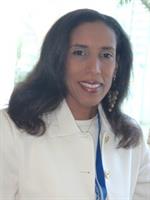
lmLisa Merritt, MD

Baylor College of Medicine, Houston, Class of 1989

Imagine a time before cellphones, fax machines, or cyberspace existed. A time where computers were things they had at the airport when you checked in, and your family could come all the way to the gate to greet or say farewell to fellow travelers. Well, that is the setting in which the Resident’s Physician Council was born. 

When I started residency at Baylor in the mid-‘80s, there were 2 residents, Indira Lanig and Rebecca Clearman, ahead of me who were deeply involved in residency training advocacy efforts. They led discussions with Dr. Martin Grabois, Baylor College of Medicine, Houston, and Dr. Richard Materson (who was key in getting national institute rehabilitation medicine research started) about the need for resident physician involvement and input with AAPM&R. 

Dr. Martin Grabois, Dr. Skip Meir Colorado, Dr. Randy Braddom, Dr. Richard Materson, and leaders from Mayo, Seattle, Rusk, Ohio State, and other programs eventually were also contacted for input and resident delegates. We asked about creating a residency program as an integral component to the annual AAPM&R Assembly and Congress programs. By 1987 Indira and Rebecca were nearing completion of their training programs and worked with a transitional steering committee of residents including myself, Fred Clarke, Brad Hillstrom, Peter Dorsher, and several others to fully actualize that concept.

We were able to get preliminary approval and funding to have a resident program planning committee, which I was a part of. We were given support to attend AAP and AAPM&R meetings to continue our planning efforts. It was so exciting to go to the meeting in Toronto, it all felt part of something big and important. We discussed the resistance of program directors at that time, to permitting resident attendance at meetings, and the lack of input residents had about their training experience, the direction of the field, vocational options, and legislative issues.

During one memorable meeting, there was a turning point in which Fred Clarke stood up and vociferously threatened that we would organize all the residents to boycott if we were not given the opportunity to participate and impact the process during our training. This was not part of the original script, but we went with it. Strength in unity! We then set about the process of outlining our own set of bylaws, goals, and an action plan and, fortunately, the visionary and receptive AAPM&R leadership at the time supported and facilitated our aspirations. They recognized our earnest attempts and the importance of nurturing the future lifeblood of the specialty.

I commenced planning for the 1st resident reception at the 1988 Annual Assembly in Seattle. The organizing committee pushed residency directors to identify and permit more resident representatives to be funded/allowed time to participate at the national meeting and job fair. We asked to fast track the process to avoid delays in formalizing the group’s formation and created a resident physician council instead of meandering through the traditional Special Interest Group (SIG) process. Otherwise we may have lost steam as the leadership group moved through and out of their training process.

1988 Seattle, Washington

The Resident physician council was officially created through the fast track and we had our first complete program on October 30, 1988, which included a general session, a continuing education seminar, roundtable discussion, and job fair. We also held board meetings, elections, and steering committee meetings. Lecturers at the Residents Roundtable included Dr. Martin Grabois, Dr. Richard Materson and Dr. Thomas Morgan. The session was Coordinated and moderated by Nathan Zasler and Karen Rucker.

I delivered the first resident presentation at an AAPM&R Annual Assembly on the HIV/AIDS epidemic and inpatient rehabilitation of AIDs patients based on my experience from prior training in Family and Community Medicine in San Francisco, prior to coming to Baylor. The organized reception for the residents which took place on Halloween night, was a jam-packed success and everyone wanted to sign up and start a chapter at their program. The original officers included Brad Hillstrom as President, myself as Vice President, and other noted leaders included Nathan Zasler, Fred Clarke, Peter Dorsher, and Karen Rucker.

Concerns we raised included work hours, increasing primary care/critical care duties without sufficient guidance or training, future direction of the specialty, need for greater diversity among attendings and residents, contract negotiations, fellowship areas and needs, research opportunities and ideas, stress management, and coping strategies and support.

By 1989, when I completed my program at Baylor, the RPC was in full motion with active engagement and development of ongoing programs annually at the AAPM& Annual Meetings.  As I transitioned on, I handed over the archives of correspondence (all done by USPS) and notes to Baylor resident, Helen Schilling, and her colleagues. They continued to expand the efforts.

The council has grown from about 60 residents at our initial meeting to hundreds over the last 3 decades. We are pleased that the vision of a few, held through united efforts across the country, led to the creation of a lasting entity that has become a significant component of AAPM&R’s efforts.

We are grateful for the mentorship and collaborative support of the program directors who believed in us enough to support what was then considered a controversial concept. We hope it shall continue to cultivate a pipeline of future creative, committed PM&R leaders in organized, academic, and advocacy work for the betterment of our field and continued improvement of outcomes for our patients.

The Making of the Resident Physician Council

Aug 27, 2018, 01:27 by User Not Found

lmLisa Merritt, MD

Baylor College of Medicine, Houston, Class of 1989

Imagine a time before cellphones, fax machines, or cyberspace existed. A time where computers were things they had at the airport when you checked in, and your family could come all the way to the gate to greet or say farewell to fellow travelers. Well, that is the setting in which the Resident’s Physician Council was born. 

When I started residency at Baylor in the mid-‘80s, there were 2 residents, Indira Lanig and Rebecca Clearman, ahead of me who were deeply involved in residency training advocacy efforts. They led discussions with Dr. Martin Grabois, Baylor College of Medicine, Houston, and Dr. Richard Materson (who was key in getting national institute rehabilitation medicine research started) about the need for resident physician involvement and input with AAPM&R. 

Dr. Martin Grabois, Dr. Skip Meir Colorado, Dr. Randy Braddom, Dr. Richard Materson, and leaders from Mayo, Seattle, Rusk, Ohio State, and other programs eventually were also contacted for input and resident delegates. We asked about creating a residency program as an integral component to the annual AAPM&R Assembly and Congress programs. By 1987 Indira and Rebecca were nearing completion of their training programs and worked with a transitional steering committee of residents including myself, Fred Clarke, Brad Hillstrom, Peter Dorsher, and several others to fully actualize that concept.

We were able to get preliminary approval and funding to have a resident program planning committee, which I was a part of. We were given support to attend AAP and AAPM&R meetings to continue our planning efforts. It was so exciting to go to the meeting in Toronto, it all felt part of something big and important. We discussed the resistance of program directors at that time, to permitting resident attendance at meetings, and the lack of input residents had about their training experience, the direction of the field, vocational options, and legislative issues.

During one memorable meeting, there was a turning point in which Fred Clarke stood up and vociferously threatened that we would organize all the residents to boycott if we were not given the opportunity to participate and impact the process during our training. This was not part of the original script, but we went with it. Strength in unity! We then set about the process of outlining our own set of bylaws, goals, and an action plan and, fortunately, the visionary and receptive AAPM&R leadership at the time supported and facilitated our aspirations. They recognized our earnest attempts and the importance of nurturing the future lifeblood of the specialty.

I commenced planning for the 1st resident reception at the 1988 Annual Assembly in Seattle. The organizing committee pushed residency directors to identify and permit more resident representatives to be funded/allowed time to participate at the national meeting and job fair. We asked to fast track the process to avoid delays in formalizing the group’s formation and created a resident physician council instead of meandering through the traditional Special Interest Group (SIG) process. Otherwise we may have lost steam as the leadership group moved through and out of their training process.

1988 Seattle, Washington

The Resident physician council was officially created through the fast track and we had our first complete program on October 30, 1988, which included a general session, a continuing education seminar, roundtable discussion, and job fair. We also held board meetings, elections, and steering committee meetings. Lecturers at the Residents Roundtable included Dr. Martin Grabois, Dr. Richard Materson and Dr. Thomas Morgan. The session was Coordinated and moderated by Nathan Zasler and Karen Rucker.

I delivered the first resident presentation at an AAPM&R Annual Assembly on the HIV/AIDS epidemic and inpatient rehabilitation of AIDs patients based on my experience from prior training in Family and Community Medicine in San Francisco, prior to coming to Baylor. The organized reception for the residents which took place on Halloween night, was a jam-packed success and everyone wanted to sign up and start a chapter at their program. The original officers included Brad Hillstrom as President, myself as Vice President, and other noted leaders included Nathan Zasler, Fred Clarke, Peter Dorsher, and Karen Rucker.

Concerns we raised included work hours, increasing primary care/critical care duties without sufficient guidance or training, future direction of the specialty, need for greater diversity among attendings and residents, contract negotiations, fellowship areas and needs, research opportunities and ideas, stress management, and coping strategies and support.

By 1989, when I completed my program at Baylor, the RPC was in full motion with active engagement and development of ongoing programs annually at the AAPM& Annual Meetings.  As I transitioned on, I handed over the archives of correspondence (all done by USPS) and notes to Baylor resident, Helen Schilling, and her colleagues. They continued to expand the efforts.

The council has grown from about 60 residents at our initial meeting to hundreds over the last 3 decades. We are pleased that the vision of a few, held through united efforts across the country, led to the creation of a lasting entity that has become a significant component of AAPM&R’s efforts.

We are grateful for the mentorship and collaborative support of the program directors who believed in us enough to support what was then considered a controversial concept. We hope it shall continue to cultivate a pipeline of future creative, committed PM&R leaders in organized, academic, and advocacy work for the betterment of our field and continued improvement of outcomes for our patients.

Explore AAPM&R

Online Learning Portal

Education is a fundamental offering that affects PM&R physicians across clinical focuses, practice areas, career stages and levels of expertise. As part of Academy membership, we provide top-notch education and other innovative learning resources across a variety of delivery mechanisms.

Access AAPM&R’s popular Online Learning Portal, which features educational resources, including case studies, instructional videos and more on a variety of clinical and practice topics.


Online Learning Portal

home-page_subscription_logo

Online Education Subscription

24/7 access to our online educational resources through the end of your annual membership cycle. Check out what's included below!

step-lockup

STEP Certificate Programs

AAPM&R’s highly-regarded STEP Certificate Programs are designed by physiatrists for physiatrists and teach and assess important physiatric skills using a progressive, competency- based curriculum.

phyzforum-omc-fnl

PhyzForum

PhyzForum is an online physiatry community that allows you to engage with peers, ask advice, and share experiences. Participate in discussions to network, collaborate, and exchange best practices with your peers.

Annual Assembly
November 12-15

12310A-1936

The 2020 Annual Assembly is virtual! Join us from November 12-15 as we meet online to share best practices and support each other as we navigate a “new normal."

Critical Conversation Series

Thursday, October 1 at 6 pm (CT)

You're invited to participate in a series of discussions on racial equity, access and inclusion in today’s world. Join us for our next conversation on October 1 for AAPM&R's Diversity and Inclusion Journey. We will review efforts that led to the creation of the D&I strategic plan, unveil our new Principles of Inclusion and Engagement and share new initiatives on the horizon.

AAPM&R News

The Making of the Resident Physician Council

Aug 27, 2018

lmLisa Merritt, MD

Baylor College of Medicine, Houston, Class of 1989

Imagine a time before cellphones, fax machines, or cyberspace existed. A time where computers were things they had at the airport when you checked in, and your family could come all the way to the gate to greet or say farewell to fellow travelers. Well, that is the setting in which the Resident’s Physician Council was born. 

When I started residency at Baylor in the mid-‘80s, there were 2 residents, Indira Lanig and Rebecca Clearman, ahead of me who were deeply involved in residency training advocacy efforts. They led discussions with Dr. Martin Grabois, Baylor College of Medicine, Houston, and Dr. Richard Materson (who was key in getting national institute rehabilitation medicine research started) about the need for resident physician involvement and input with AAPM&R. 

Dr. Martin Grabois, Dr. Skip Meir Colorado, Dr. Randy Braddom, Dr. Richard Materson, and leaders from Mayo, Seattle, Rusk, Ohio State, and other programs eventually were also contacted for input and resident delegates. We asked about creating a residency program as an integral component to the annual AAPM&R Assembly and Congress programs. By 1987 Indira and Rebecca were nearing completion of their training programs and worked with a transitional steering committee of residents including myself, Fred Clarke, Brad Hillstrom, Peter Dorsher, and several others to fully actualize that concept.

We were able to get preliminary approval and funding to have a resident program planning committee, which I was a part of. We were given support to attend AAP and AAPM&R meetings to continue our planning efforts. It was so exciting to go to the meeting in Toronto, it all felt part of something big and important. We discussed the resistance of program directors at that time, to permitting resident attendance at meetings, and the lack of input residents had about their training experience, the direction of the field, vocational options, and legislative issues.

During one memorable meeting, there was a turning point in which Fred Clarke stood up and vociferously threatened that we would organize all the residents to boycott if we were not given the opportunity to participate and impact the process during our training. This was not part of the original script, but we went with it. Strength in unity! We then set about the process of outlining our own set of bylaws, goals, and an action plan and, fortunately, the visionary and receptive AAPM&R leadership at the time supported and facilitated our aspirations. They recognized our earnest attempts and the importance of nurturing the future lifeblood of the specialty.

I commenced planning for the 1st resident reception at the 1988 Annual Assembly in Seattle. The organizing committee pushed residency directors to identify and permit more resident representatives to be funded/allowed time to participate at the national meeting and job fair. We asked to fast track the process to avoid delays in formalizing the group’s formation and created a resident physician council instead of meandering through the traditional Special Interest Group (SIG) process. Otherwise we may have lost steam as the leadership group moved through and out of their training process.

1988 Seattle, Washington

The Resident physician council was officially created through the fast track and we had our first complete program on October 30, 1988, which included a general session, a continuing education seminar, roundtable discussion, and job fair. We also held board meetings, elections, and steering committee meetings. Lecturers at the Residents Roundtable included Dr. Martin Grabois, Dr. Richard Materson and Dr. Thomas Morgan. The session was Coordinated and moderated by Nathan Zasler and Karen Rucker.

I delivered the first resident presentation at an AAPM&R Annual Assembly on the HIV/AIDS epidemic and inpatient rehabilitation of AIDs patients based on my experience from prior training in Family and Community Medicine in San Francisco, prior to coming to Baylor. The organized reception for the residents which took place on Halloween night, was a jam-packed success and everyone wanted to sign up and start a chapter at their program. The original officers included Brad Hillstrom as President, myself as Vice President, and other noted leaders included Nathan Zasler, Fred Clarke, Peter Dorsher, and Karen Rucker.

Concerns we raised included work hours, increasing primary care/critical care duties without sufficient guidance or training, future direction of the specialty, need for greater diversity among attendings and residents, contract negotiations, fellowship areas and needs, research opportunities and ideas, stress management, and coping strategies and support.

By 1989, when I completed my program at Baylor, the RPC was in full motion with active engagement and development of ongoing programs annually at the AAPM& Annual Meetings.  As I transitioned on, I handed over the archives of correspondence (all done by USPS) and notes to Baylor resident, Helen Schilling, and her colleagues. They continued to expand the efforts.

The council has grown from about 60 residents at our initial meeting to hundreds over the last 3 decades. We are pleased that the vision of a few, held through united efforts across the country, led to the creation of a lasting entity that has become a significant component of AAPM&R’s efforts.

We are grateful for the mentorship and collaborative support of the program directors who believed in us enough to support what was then considered a controversial concept. We hope it shall continue to cultivate a pipeline of future creative, committed PM&R leaders in organized, academic, and advocacy work for the betterment of our field and continued improvement of outcomes for our patients.

Physiatry News

The Making of the Resident Physician Council

Aug 27, 2018

lmLisa Merritt, MD

Baylor College of Medicine, Houston, Class of 1989

Imagine a time before cellphones, fax machines, or cyberspace existed. A time where computers were things they had at the airport when you checked in, and your family could come all the way to the gate to greet or say farewell to fellow travelers. Well, that is the setting in which the Resident’s Physician Council was born. 

When I started residency at Baylor in the mid-‘80s, there were 2 residents, Indira Lanig and Rebecca Clearman, ahead of me who were deeply involved in residency training advocacy efforts. They led discussions with Dr. Martin Grabois, Baylor College of Medicine, Houston, and Dr. Richard Materson (who was key in getting national institute rehabilitation medicine research started) about the need for resident physician involvement and input with AAPM&R. 

Dr. Martin Grabois, Dr. Skip Meir Colorado, Dr. Randy Braddom, Dr. Richard Materson, and leaders from Mayo, Seattle, Rusk, Ohio State, and other programs eventually were also contacted for input and resident delegates. We asked about creating a residency program as an integral component to the annual AAPM&R Assembly and Congress programs. By 1987 Indira and Rebecca were nearing completion of their training programs and worked with a transitional steering committee of residents including myself, Fred Clarke, Brad Hillstrom, Peter Dorsher, and several others to fully actualize that concept.

We were able to get preliminary approval and funding to have a resident program planning committee, which I was a part of. We were given support to attend AAP and AAPM&R meetings to continue our planning efforts. It was so exciting to go to the meeting in Toronto, it all felt part of something big and important. We discussed the resistance of program directors at that time, to permitting resident attendance at meetings, and the lack of input residents had about their training experience, the direction of the field, vocational options, and legislative issues.

During one memorable meeting, there was a turning point in which Fred Clarke stood up and vociferously threatened that we would organize all the residents to boycott if we were not given the opportunity to participate and impact the process during our training. This was not part of the original script, but we went with it. Strength in unity! We then set about the process of outlining our own set of bylaws, goals, and an action plan and, fortunately, the visionary and receptive AAPM&R leadership at the time supported and facilitated our aspirations. They recognized our earnest attempts and the importance of nurturing the future lifeblood of the specialty.

I commenced planning for the 1st resident reception at the 1988 Annual Assembly in Seattle. The organizing committee pushed residency directors to identify and permit more resident representatives to be funded/allowed time to participate at the national meeting and job fair. We asked to fast track the process to avoid delays in formalizing the group’s formation and created a resident physician council instead of meandering through the traditional Special Interest Group (SIG) process. Otherwise we may have lost steam as the leadership group moved through and out of their training process.

1988 Seattle, Washington

The Resident physician council was officially created through the fast track and we had our first complete program on October 30, 1988, which included a general session, a continuing education seminar, roundtable discussion, and job fair. We also held board meetings, elections, and steering committee meetings. Lecturers at the Residents Roundtable included Dr. Martin Grabois, Dr. Richard Materson and Dr. Thomas Morgan. The session was Coordinated and moderated by Nathan Zasler and Karen Rucker.

I delivered the first resident presentation at an AAPM&R Annual Assembly on the HIV/AIDS epidemic and inpatient rehabilitation of AIDs patients based on my experience from prior training in Family and Community Medicine in San Francisco, prior to coming to Baylor. The organized reception for the residents which took place on Halloween night, was a jam-packed success and everyone wanted to sign up and start a chapter at their program. The original officers included Brad Hillstrom as President, myself as Vice President, and other noted leaders included Nathan Zasler, Fred Clarke, Peter Dorsher, and Karen Rucker.

Concerns we raised included work hours, increasing primary care/critical care duties without sufficient guidance or training, future direction of the specialty, need for greater diversity among attendings and residents, contract negotiations, fellowship areas and needs, research opportunities and ideas, stress management, and coping strategies and support.

By 1989, when I completed my program at Baylor, the RPC was in full motion with active engagement and development of ongoing programs annually at the AAPM& Annual Meetings.  As I transitioned on, I handed over the archives of correspondence (all done by USPS) and notes to Baylor resident, Helen Schilling, and her colleagues. They continued to expand the efforts.

The council has grown from about 60 residents at our initial meeting to hundreds over the last 3 decades. We are pleased that the vision of a few, held through united efforts across the country, led to the creation of a lasting entity that has become a significant component of AAPM&R’s efforts.

We are grateful for the mentorship and collaborative support of the program directors who believed in us enough to support what was then considered a controversial concept. We hope it shall continue to cultivate a pipeline of future creative, committed PM&R leaders in organized, academic, and advocacy work for the betterment of our field and continued improvement of outcomes for our patients.

Take the Next STEP in Your Ultrasound Education

step

AAPM&R's STEP Ultrasound Certificate Program is the premiere ultrasound training program—designed by physiatrists, for physiatrists. 

As the only formal, standardized training pathway available for honing and validating your ultrasound skill set, successful completion of the STEP Ultrasound Program will clearly demonstrate to your patients, fellow health care professionals, employers, and the medical facilities you work with that you are a competent professional, expertly trained in ultrasound. 

PhyzForum AAPM&R's Online Member Community