Supporting the Physiatrist, Strengthening the Specialty

AAPM&R is working to ensure PM&R is positioned to thrive in the future of healthcare and that you’re prepared for wherever your career takes you. Our more than 10,000 Academy members support each other in advancing PM&R’s impact through healthcare. As we move forward, it is more important than ever that every member play an active role in helping one another realize the vision for our specialty.

Newsroom

Looking for AAPM&R members in the news? Press releases? Our Academy Action Center? Or looking to submit your members in the news content? You'll find it all in our Newsroom. You will also be able to explore PM&R and Academy news as well as learn how to contact us if you would like to submit your member content, or if you are a reporter who is interested in speaking with a PM&R physician.

Event Calendar and Webinars

Stay up to date on all Academy events and learning opportunities and view recordings of past webinars. 

PM&R Aspire

PM&R Aspire is our career-exploration platform purpose-built to help PM&R professionals make better-informed career decisions. We have mapped employer locations across the United States, enabling you to explore, message and apply to the roles that matter most to you.

PM&R Q&A Video Conversations

AAPM&R is leading the advancement of physiatry’s impact throughout healthcare as aligned with YOUR vision for the specialty. Explore our Q&A video series where members of our Physiatrist in Training (PHiT) Council Board chat with AAPM&R Board leaders.

Latest News

AAPM&R Regretfully Announces the Passing of George Kraft, MD, Past President

Nov 14, 2022, 14:12 by User Not Found


In Memoriam: George Kraft, MD, 1936-2022
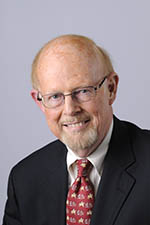
Submitted by Peter Esselman, MD, MPT, FAAPMR and the UW Department of Rehabilitation 

It is with great sadness that we announce the passing of Dr. George Kraft on November 1, 2022. Dr. Kraft served as President of AAPM&R in 1985 and was a titan in the field of MS care, research and education. In his presidential address he challenged us to consider our professional and personal development. He spoke of the components of the practice of physiatry—patient care, advocacy, research, health economics and teaching—that continue to be at our core today. He went on to comment on the elements of personal development: selfcare, family nurturing, social responsibility and spiritual. He stated “A physician cannot be truly superb without tending the self, family, society and spirit.” He demonstrated a commitment to service and was ahead of his time with a focus on well-being and preventing burnout.

Dr. Kraft was born in Columbus, Ohio, on September 27, 1936. He received an AB in economics from Harvard College in 1958 as well as an MD in 1963 and an MS in 1967, both from The Ohio State University. He completed a physical medicine and rehabilitation residency at The Ohio State University in 1967.

Among the many notable honors of his career, he received a Distinguished Clinician Award, Walter J. Zeiter Award and Frank H. Krusen Award from the American Academy of Physical Medicine & Rehabilitation. He also received the Lifetime Achievement Award from the National Multiple Sclerosis Society in 2011 and Distinguished Academician Award from the Association of Academic Physiatrists. He has the remarkable achievement of having served as the President of the American Academy of Physical Medicine & Rehabilitation, the Association of Academic Physiatrists, the American Association of Neuromuscular and Electrodiagnostic Medicine and as Chair of the American Board of Electrodiagnostic Medicine.

Dr. Kraft served with the Medical Corps of the US Navy from 1967 to 1969. In 1969, he began his long association with the University of Washington, joining the faculty of the UW Department of Rehabilitation Medicine as an assistant professor, and reaching the rank of professor in 1976, a position he held until 2012, when he became a professor emeritus—although he didn’t fully retire until 2020. He also held the position of adjunct professor in the UW Department of Neurology from 1999 to 2012, and was the inaugural Nancy and Buster Alvord Professor of Multiple Sclerosis Research from 2005 to 2015.

Throughout his long career, Dr. Kraft made significant contributions as an educator and a clinician. He received many citations as a top physician, and was recognized by his colleagues and trainees as an exceptional mentor to the next generation of clinicians and psychologists with an interest in MS. As well, he filled important roles on local, national and international committees. While his career had many aspects, Dr. Kraft will be best remembered for his tremendous achievements in multiple sclerosis care. His seminal achievements in MS research changed our understanding of the disease, and transformed care for people with MS.

In the late 70s, when there were very few, if any, dedicated MS centers across the US, Dr. Kraft helped organize the first multi-disciplinary MS Center as a joint venture between the departments of rehabilitation medicine and neurology at the UW. In 1982, he became director of the UW MS Center. Under his leadership, the center made tremendous strides in both understanding MS and improving the care and treatment of people with the disease.

In addition to making a multidisciplinary approach central to the care of patients with MS, Dr. Kraft was also the first to illustrate empirically that fatigue was the most common and, for many, one of the most disabling symptoms of MS. Today, fatigue is accepted as a core clinical measure for MS. He was also one of the first to recognize and write about the way the many symptoms of MS synergistically impact patients.

Dr. Kraft’s prolific research was always rooted in care and concern for his patients. He was noted for his empathy, and his ability to truly listen to his patients. As a mentor and educator, Dr. Kraft tirelessly supported trainees, and has been formative in many junior faculty’s careers who, with his mentorship and guidance, successfully established independence and thriving careers.

Throughout his life, Dr. Kraft had a tremendous impact on MS research and healthcare, and his influence will continue for decades to come. Thanks to his tireless vision, advocacy and empathy, the care and treatment of people with MS has forever changed.

Dr. Kraft was a remarkable scientist, clinician, mentor and person. He will be missed.

AAPM&R Regretfully Announces the Passing of George Kraft, MD, Past President

Nov 14, 2022, 14:12 by User Not Found


In Memoriam: George Kraft, MD, 1936-2022

Submitted by Peter Esselman, MD, MPT, FAAPMR and the UW Department of Rehabilitation 

It is with great sadness that we announce the passing of Dr. George Kraft on November 1, 2022. Dr. Kraft served as President of AAPM&R in 1985 and was a titan in the field of MS care, research and education. In his presidential address he challenged us to consider our professional and personal development. He spoke of the components of the practice of physiatry—patient care, advocacy, research, health economics and teaching—that continue to be at our core today. He went on to comment on the elements of personal development: selfcare, family nurturing, social responsibility and spiritual. He stated “A physician cannot be truly superb without tending the self, family, society and spirit.” He demonstrated a commitment to service and was ahead of his time with a focus on well-being and preventing burnout.

Dr. Kraft was born in Columbus, Ohio, on September 27, 1936. He received an AB in economics from Harvard College in 1958 as well as an MD in 1963 and an MS in 1967, both from The Ohio State University. He completed a physical medicine and rehabilitation residency at The Ohio State University in 1967.

Among the many notable honors of his career, he received a Distinguished Clinician Award, Walter J. Zeiter Award and Frank H. Krusen Award from the American Academy of Physical Medicine & Rehabilitation. He also received the Lifetime Achievement Award from the National Multiple Sclerosis Society in 2011 and Distinguished Academician Award from the Association of Academic Physiatrists. He has the remarkable achievement of having served as the President of the American Academy of Physical Medicine & Rehabilitation, the Association of Academic Physiatrists, the American Association of Neuromuscular and Electrodiagnostic Medicine and as Chair of the American Board of Electrodiagnostic Medicine.

Dr. Kraft served with the Medical Corps of the US Navy from 1967 to 1969. In 1969, he began his long association with the University of Washington, joining the faculty of the UW Department of Rehabilitation Medicine as an assistant professor, and reaching the rank of professor in 1976, a position he held until 2012, when he became a professor emeritus—although he didn’t fully retire until 2020. He also held the position of adjunct professor in the UW Department of Neurology from 1999 to 2012, and was the inaugural Nancy and Buster Alvord Professor of Multiple Sclerosis Research from 2005 to 2015.

Throughout his long career, Dr. Kraft made significant contributions as an educator and a clinician. He received many citations as a top physician, and was recognized by his colleagues and trainees as an exceptional mentor to the next generation of clinicians and psychologists with an interest in MS. As well, he filled important roles on local, national and international committees. While his career had many aspects, Dr. Kraft will be best remembered for his tremendous achievements in multiple sclerosis care. His seminal achievements in MS research changed our understanding of the disease, and transformed care for people with MS.

In the late 70s, when there were very few, if any, dedicated MS centers across the US, Dr. Kraft helped organize the first multi-disciplinary MS Center as a joint venture between the departments of rehabilitation medicine and neurology at the UW. In 1982, he became director of the UW MS Center. Under his leadership, the center made tremendous strides in both understanding MS and improving the care and treatment of people with the disease.

In addition to making a multidisciplinary approach central to the care of patients with MS, Dr. Kraft was also the first to illustrate empirically that fatigue was the most common and, for many, one of the most disabling symptoms of MS. Today, fatigue is accepted as a core clinical measure for MS. He was also one of the first to recognize and write about the way the many symptoms of MS synergistically impact patients.

Dr. Kraft’s prolific research was always rooted in care and concern for his patients. He was noted for his empathy, and his ability to truly listen to his patients. As a mentor and educator, Dr. Kraft tirelessly supported trainees, and has been formative in many junior faculty’s careers who, with his mentorship and guidance, successfully established independence and thriving careers.

Throughout his life, Dr. Kraft had a tremendous impact on MS research and healthcare, and his influence will continue for decades to come. Thanks to his tireless vision, advocacy and empathy, the care and treatment of people with MS has forever changed.

Dr. Kraft was a remarkable scientist, clinician, mentor and person. He will be missed.

Explore AAPM&R

Online Learning Portal

Education is a fundamental offering that affects PM&R physicians across clinical focuses, practice areas, career stages and levels of expertise. As part of Academy membership, we provide top-notch education and other innovative learning resources across a variety of delivery mechanisms.

Access AAPM&R’s popular Online Learning Portal, which features educational resources, including case studies, instructional videos and more on a variety of clinical and practice topics.


Online Learning Portal

home-page_subscription_logo

Online Education Subscription

24/7 access to our online educational resources through the end of your annual membership cycle. Check out what's included below!

step-lockup

STEP Certificate Programs

AAPM&R’s highly-regarded STEP Certificate Programs are designed by physiatrists for physiatrists and teach and assess important physiatric skills using a progressive, competency- based curriculum.

phyzforum-omc-fnl

PhyzForum

PhyzForum is an online physiatry community that allows you to engage with peers, ask advice, and share experiences. Participate in discussions to network, collaborate, and exchange best practices with your peers.

Annual Assembly
November 12-15

12310A-1936

The 2020 Annual Assembly is virtual! Join us from November 12-15 as we meet online to share best practices and support each other as we navigate a “new normal."

Critical Conversation Series

Thursday, October 1 at 6 pm (CT)

You're invited to participate in a series of discussions on racial equity, access and inclusion in today’s world. Join us for our next conversation on October 1 for AAPM&R's Diversity and Inclusion Journey. We will review efforts that led to the creation of the D&I strategic plan, unveil our new Principles of Inclusion and Engagement and share new initiatives on the horizon.

AAPM&R News

AAPM&R Regretfully Announces the Passing of George Kraft, MD, Past President

Nov 14, 2022


In Memoriam: George Kraft, MD, 1936-2022

Submitted by Peter Esselman, MD, MPT, FAAPMR and the UW Department of Rehabilitation 

It is with great sadness that we announce the passing of Dr. George Kraft on November 1, 2022. Dr. Kraft served as President of AAPM&R in 1985 and was a titan in the field of MS care, research and education. In his presidential address he challenged us to consider our professional and personal development. He spoke of the components of the practice of physiatry—patient care, advocacy, research, health economics and teaching—that continue to be at our core today. He went on to comment on the elements of personal development: selfcare, family nurturing, social responsibility and spiritual. He stated “A physician cannot be truly superb without tending the self, family, society and spirit.” He demonstrated a commitment to service and was ahead of his time with a focus on well-being and preventing burnout.

Dr. Kraft was born in Columbus, Ohio, on September 27, 1936. He received an AB in economics from Harvard College in 1958 as well as an MD in 1963 and an MS in 1967, both from The Ohio State University. He completed a physical medicine and rehabilitation residency at The Ohio State University in 1967.

Among the many notable honors of his career, he received a Distinguished Clinician Award, Walter J. Zeiter Award and Frank H. Krusen Award from the American Academy of Physical Medicine & Rehabilitation. He also received the Lifetime Achievement Award from the National Multiple Sclerosis Society in 2011 and Distinguished Academician Award from the Association of Academic Physiatrists. He has the remarkable achievement of having served as the President of the American Academy of Physical Medicine & Rehabilitation, the Association of Academic Physiatrists, the American Association of Neuromuscular and Electrodiagnostic Medicine and as Chair of the American Board of Electrodiagnostic Medicine.

Dr. Kraft served with the Medical Corps of the US Navy from 1967 to 1969. In 1969, he began his long association with the University of Washington, joining the faculty of the UW Department of Rehabilitation Medicine as an assistant professor, and reaching the rank of professor in 1976, a position he held until 2012, when he became a professor emeritus—although he didn’t fully retire until 2020. He also held the position of adjunct professor in the UW Department of Neurology from 1999 to 2012, and was the inaugural Nancy and Buster Alvord Professor of Multiple Sclerosis Research from 2005 to 2015.

Throughout his long career, Dr. Kraft made significant contributions as an educator and a clinician. He received many citations as a top physician, and was recognized by his colleagues and trainees as an exceptional mentor to the next generation of clinicians and psychologists with an interest in MS. As well, he filled important roles on local, national and international committees. While his career had many aspects, Dr. Kraft will be best remembered for his tremendous achievements in multiple sclerosis care. His seminal achievements in MS research changed our understanding of the disease, and transformed care for people with MS.

In the late 70s, when there were very few, if any, dedicated MS centers across the US, Dr. Kraft helped organize the first multi-disciplinary MS Center as a joint venture between the departments of rehabilitation medicine and neurology at the UW. In 1982, he became director of the UW MS Center. Under his leadership, the center made tremendous strides in both understanding MS and improving the care and treatment of people with the disease.

In addition to making a multidisciplinary approach central to the care of patients with MS, Dr. Kraft was also the first to illustrate empirically that fatigue was the most common and, for many, one of the most disabling symptoms of MS. Today, fatigue is accepted as a core clinical measure for MS. He was also one of the first to recognize and write about the way the many symptoms of MS synergistically impact patients.

Dr. Kraft’s prolific research was always rooted in care and concern for his patients. He was noted for his empathy, and his ability to truly listen to his patients. As a mentor and educator, Dr. Kraft tirelessly supported trainees, and has been formative in many junior faculty’s careers who, with his mentorship and guidance, successfully established independence and thriving careers.

Throughout his life, Dr. Kraft had a tremendous impact on MS research and healthcare, and his influence will continue for decades to come. Thanks to his tireless vision, advocacy and empathy, the care and treatment of people with MS has forever changed.

Dr. Kraft was a remarkable scientist, clinician, mentor and person. He will be missed.

Physiatry News

AAPM&R Regretfully Announces the Passing of George Kraft, MD, Past President

Nov 14, 2022


In Memoriam: George Kraft, MD, 1936-2022

Submitted by Peter Esselman, MD, MPT, FAAPMR and the UW Department of Rehabilitation 

It is with great sadness that we announce the passing of Dr. George Kraft on November 1, 2022. Dr. Kraft served as President of AAPM&R in 1985 and was a titan in the field of MS care, research and education. In his presidential address he challenged us to consider our professional and personal development. He spoke of the components of the practice of physiatry—patient care, advocacy, research, health economics and teaching—that continue to be at our core today. He went on to comment on the elements of personal development: selfcare, family nurturing, social responsibility and spiritual. He stated “A physician cannot be truly superb without tending the self, family, society and spirit.” He demonstrated a commitment to service and was ahead of his time with a focus on well-being and preventing burnout.

Dr. Kraft was born in Columbus, Ohio, on September 27, 1936. He received an AB in economics from Harvard College in 1958 as well as an MD in 1963 and an MS in 1967, both from The Ohio State University. He completed a physical medicine and rehabilitation residency at The Ohio State University in 1967.

Among the many notable honors of his career, he received a Distinguished Clinician Award, Walter J. Zeiter Award and Frank H. Krusen Award from the American Academy of Physical Medicine & Rehabilitation. He also received the Lifetime Achievement Award from the National Multiple Sclerosis Society in 2011 and Distinguished Academician Award from the Association of Academic Physiatrists. He has the remarkable achievement of having served as the President of the American Academy of Physical Medicine & Rehabilitation, the Association of Academic Physiatrists, the American Association of Neuromuscular and Electrodiagnostic Medicine and as Chair of the American Board of Electrodiagnostic Medicine.

Dr. Kraft served with the Medical Corps of the US Navy from 1967 to 1969. In 1969, he began his long association with the University of Washington, joining the faculty of the UW Department of Rehabilitation Medicine as an assistant professor, and reaching the rank of professor in 1976, a position he held until 2012, when he became a professor emeritus—although he didn’t fully retire until 2020. He also held the position of adjunct professor in the UW Department of Neurology from 1999 to 2012, and was the inaugural Nancy and Buster Alvord Professor of Multiple Sclerosis Research from 2005 to 2015.

Throughout his long career, Dr. Kraft made significant contributions as an educator and a clinician. He received many citations as a top physician, and was recognized by his colleagues and trainees as an exceptional mentor to the next generation of clinicians and psychologists with an interest in MS. As well, he filled important roles on local, national and international committees. While his career had many aspects, Dr. Kraft will be best remembered for his tremendous achievements in multiple sclerosis care. His seminal achievements in MS research changed our understanding of the disease, and transformed care for people with MS.

In the late 70s, when there were very few, if any, dedicated MS centers across the US, Dr. Kraft helped organize the first multi-disciplinary MS Center as a joint venture between the departments of rehabilitation medicine and neurology at the UW. In 1982, he became director of the UW MS Center. Under his leadership, the center made tremendous strides in both understanding MS and improving the care and treatment of people with the disease.

In addition to making a multidisciplinary approach central to the care of patients with MS, Dr. Kraft was also the first to illustrate empirically that fatigue was the most common and, for many, one of the most disabling symptoms of MS. Today, fatigue is accepted as a core clinical measure for MS. He was also one of the first to recognize and write about the way the many symptoms of MS synergistically impact patients.

Dr. Kraft’s prolific research was always rooted in care and concern for his patients. He was noted for his empathy, and his ability to truly listen to his patients. As a mentor and educator, Dr. Kraft tirelessly supported trainees, and has been formative in many junior faculty’s careers who, with his mentorship and guidance, successfully established independence and thriving careers.

Throughout his life, Dr. Kraft had a tremendous impact on MS research and healthcare, and his influence will continue for decades to come. Thanks to his tireless vision, advocacy and empathy, the care and treatment of people with MS has forever changed.

Dr. Kraft was a remarkable scientist, clinician, mentor and person. He will be missed.

Take the Next STEP in Your Ultrasound Education

step

AAPM&R's STEP Ultrasound Certificate Program is the premiere ultrasound training program—designed by physiatrists, for physiatrists. 

As the only formal, standardized training pathway available for honing and validating your ultrasound skill set, successful completion of the STEP Ultrasound Program will clearly demonstrate to your patients, fellow health care professionals, employers, and the medical facilities you work with that you are a competent professional, expertly trained in ultrasound. 

PhyzForum AAPM&R's Online Member Community